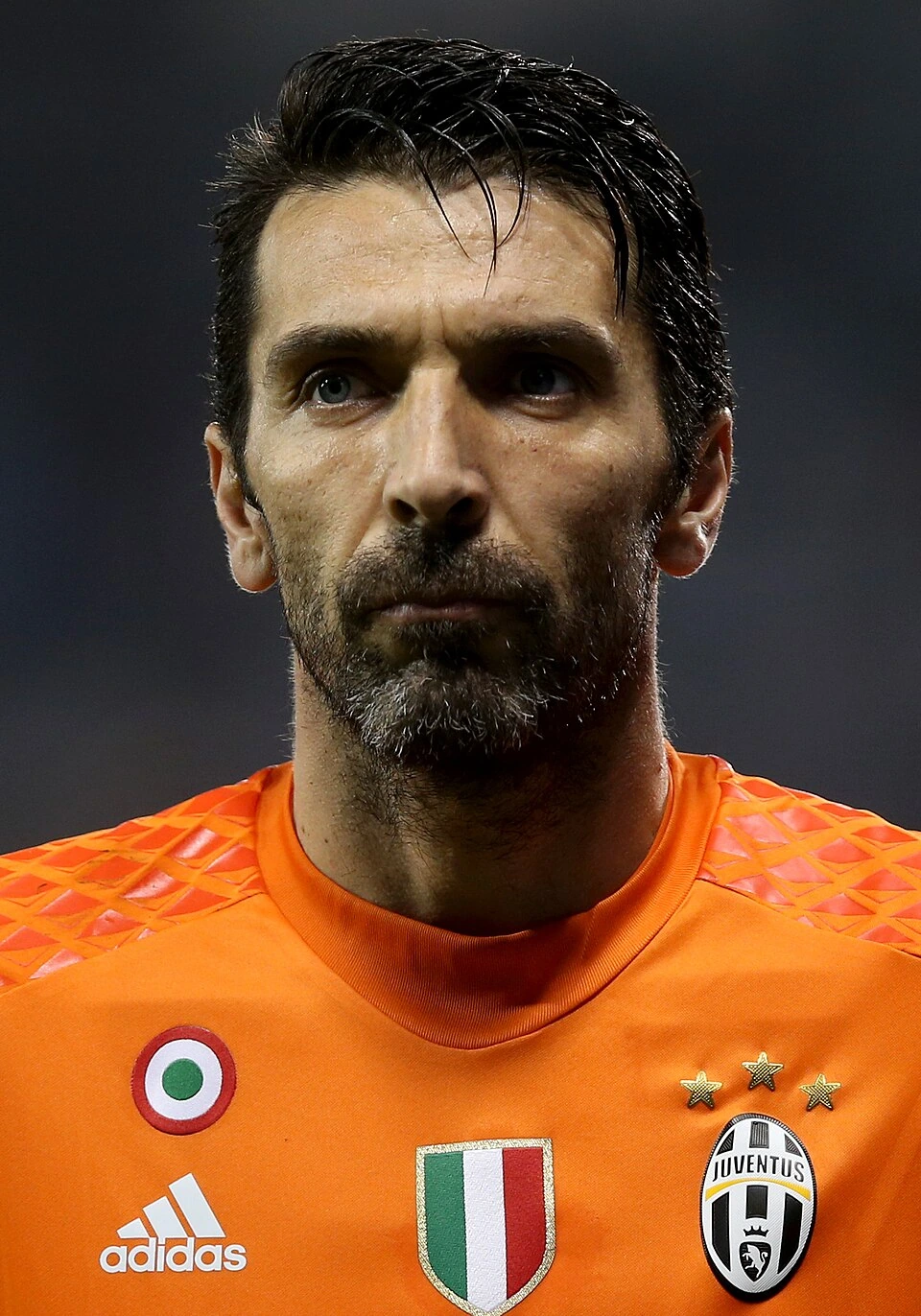
Gianluigi Buffon, universally known as "Gigi" Buffon, is widely considered the greatest goalkeeper in football history. Born in Carrara, Italy, on January 28, 1978, he spent the bulk of his playing career at Juventus (two separate stints), had a one-season spell at Paris Saint-Germain, and finished his playing days back at Parma, the club where he started as a teenager. The FIGC (Italian Football Federation) officially uses "Gigi Buffon" and "Gianluigi Buffon" interchangeably, so if you've seen both names in your search results, they refer to exactly the same person.
When we talk about net worth for a professional footballer, we're talking about total accumulated wealth: everything a player owns (cash, investments, property, business interests) minus any liabilities like mortgages or debts. It's not a salary figure. A player can earn €10 million a year and still have a low net worth if they spend heavily or invest poorly, while another player on lower wages who invests wisely can build far greater wealth. For someone like Buffon, whose professional career spanned roughly 25 years at the elite level, net worth is the result of layering together decades of wages, signing bonuses, incentive payments, endorsement deals, and whatever post-retirement income streams he has built since hanging up his gloves.
What is Gianluigi Buffon's net worth right now?

As of April 2026, the most widely cited estimates place Gianluigi Buffon's net worth at around $20 million. Both TheRichest and CelebrityNetWorth.com report a $20 million figure. NetWorthSpot puts the number considerably higher at $41.8 million, though that site explicitly labels its estimate as unverified and generated in part through a proprietary algorithm rather than independently verified financial records. Based on the credible sources we can substantiate, a range of roughly $20 million to $30 million is the most defensible estimate for Buffon's net worth at this point in time, with $20 million representing the conservative floor supported by two separate aggregators, and a higher figure plausible but not confirmable from public data alone.
It's worth being transparent here: no footballer's exact net worth is publicly filed in a way that lets any third-party site report a precise figure with total confidence. What you get from any reputable source, including this one, is a carefully constructed estimate based on verifiable public information. We'll explain exactly how those estimates are built in the sections below.
How Buffon built his wealth on the pitch
The Juventus years: the foundation

Buffon joined Juventus in 2001 for a then-world-record goalkeeper fee of €52 million, paid by Juventus to Parma. That transfer fee went to Parma, not to Buffon directly, but it established his market value and gave him enormous leverage in contract negotiations throughout the decade that followed. Over his time at Juventus (2001 to 2018, with one brief interlude), he accumulated wages that Capology's salary profile aggregates on a season-by-season basis.
At peak earnings during his mid-career Juventus years, Buffon was among the best-paid goalkeepers in European football. Salary details for specific Juventus seasons are not all public, but reports at the time of his 2018 departure indicated annual earnings comfortably in the multi-million euro range.
When Buffon briefly returned to Juventus from PSG in 2019, Sports Illustrated reported that Juventus asked him to accept an almost 50% wage cut for a one-year extension, positioning him as backup to Wojciech Szczęsny, which gives you a concrete sense of what his wages looked like even at the tail end of his time there.
The PSG season and what it paid
Buffon joined PSG on July 6, 2018 for a one-season spell. According to SBS Sport, citing French outlet L'Équipe, his PSG salary was just under €5 million per season, with a reported net monthly figure of around €410,000. Critically, L'Équipe also noted that this figure did not include bonuses, meaning his total PSG compensation likely exceeded the base salary. There's also a concrete post-contractual payment attached to his PSG tenure: Goal.
com reported that PSG was ordered to pay Buffon €250,000 relating to a tax clause in his contract, a sum confirmed by multiple outlets. It's a relatively small figure in the context of his career, but it illustrates how well-structured elite contracts contain financial protections that continue to pay out even after a player has moved on.
Goal. com reported that PSG was ordered to pay Gianluigi Buffon €250,000 over a contract tax clause [Goal. com reported PSG was ordered to pay Gianluigi Buffon €250,000](https://www. goal.
com/en/lists/psg-beaten-in-court-by-gianluigi-buffon-with-french-side-told-to-pay-eur250k-to-legendary-goalkeeper/bltf0238eec88d86c55).
The Parma return and final years
After his second Juventus stint, Buffon returned to Parma, the club he started at as a youth. ESPN reported on his decision to sign a new Parma contract that would keep him playing past the age of 46. Football Transfers described how his return to Parma carried both symbolic and financial weight for the club. Wages at Parma would have been substantially lower than his Juventus or PSG peaks, but by this stage Buffon's primary financial accumulation was already well established. These final seasons were more about the love of the game than building wealth.

Buffon's longest and most visible commercial relationship was with PUMA. Wikipedia confirms he used PUMA gloves and PUMA King boots throughout his career and appeared in PUMA commercials. A PUMA press release describes him as "PUMA's long-term goalkeeping ambassador," and the FIGC's communications around its partnership with PUMA reference Buffon as one of the ambassadors tied to the Italian national team's relationship with the brand. Neither PUMA nor Buffon has publicly disclosed the financial terms of his ambassadorship, so we can't attach a precise figure to it, but a long-term ambassador relationship with a global sportswear brand for a player of Buffon's profile typically generates several million euros over the course of a career.
Beyond PUMA, Buffon has been associated with various Italian and international brands over the years, though the specifics of those deals are not part of the public record in a way that allows for verified financial totals. For context on how endorsement income fits into the broader picture of athlete wealth, it's useful to look at how governing bodies and their commercial partners operate: the UEFA's financial ecosystem creates the commercial environment in which players like Buffon build their brand value, and the size of that ecosystem directly influences what sponsors are willing to pay for association with top players.
Post-retirement income and what he's doing now
Buffon retired from playing football in 2023 and moved quickly into football administration. The FIGC appointed him as Head of the Italy national team delegation, a formal federation-level leadership role that puts him at the center of the Azzurri setup. This kind of role typically carries a salary (federation leadership positions in major European football associations are compensated positions), though the FIGC has not publicly disclosed Buffon's specific compensation package.
Parma Calcio has also described Buffon in director-adjacent terms, crediting him as a figure who helped bring Parma back to Serie A, which suggests ongoing involvement with the club at some level beyond just his playing days. These post-retirement roles matter for net worth tracking because they represent ongoing income streams that prevent the kind of wealth erosion that can happen when athletes go from peak earnings to zero income overnight. Financial planning guidance for athletes, including guidance from institutions like UBS that work specifically with high-earning athletes and entertainers, consistently emphasizes that structured post-career income is one of the key differentiators between athletes who maintain their wealth and those who see it decline rapidly after retirement.
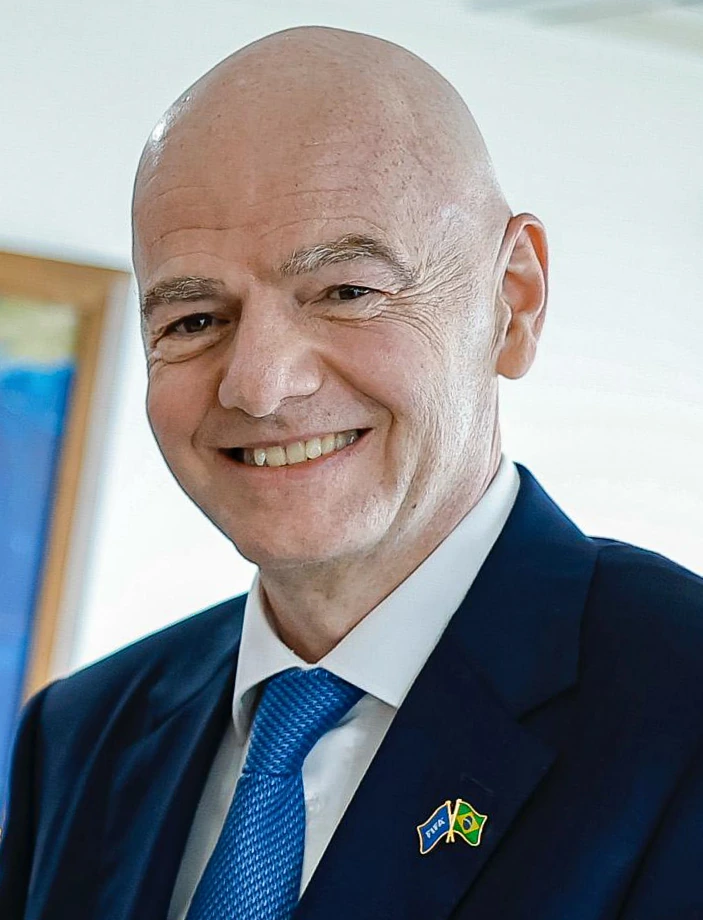
For comparison, it's worth noting how other football administrators and executives accumulate and report their wealth. If you're curious about that angle, our look at the FIFA president's net worth gives you a useful reference point for how federation-level roles translate into reported wealth figures.
Why different websites give you different numbers

If you've already Googled Buffon's net worth before landing here, you've probably noticed the range is wide: $20 million in some places, over $40 million in others. There are a few reasons for this, and understanding them helps you interpret any net worth figure you see online.
- Methodology varies significantly: Forbes, for example, publishes detailed methodology statements explaining that its figures are based on specific valuation dates, use revenue/profit multiples for private businesses, and apply liquidity discounts. NetWorthSpot explicitly states it uses a combination of publicly available data and a proprietary algorithm. Neither approach is the same as audited financial accounting.
- Not all salary data is public: Football salaries in Serie A, Ligue 1, and other European leagues are partially public (thanks to leaked documents and investigative journalism) but not fully disclosed. Sites that aggregate salary estimates will sometimes use reported figures and sometimes extrapolate, leading to different totals.
- Currency and tax differences: Buffon earned in euros across most of his career, but many net worth sites report in US dollars. Exchange rate assumptions, and whether pre-tax or post-tax figures are used, can shift the headline number substantially.
- Update frequency: Many celebrity net worth sites don't update regularly. A figure that was accurate when first published in 2020 may not reflect post-retirement income changes, asset sales, or new investments made since then.
- Endorsement and investment income is largely invisible: Unless a deal is publicly announced or a financial disclosure is required, there's no clean way to count this income accurately from the outside.
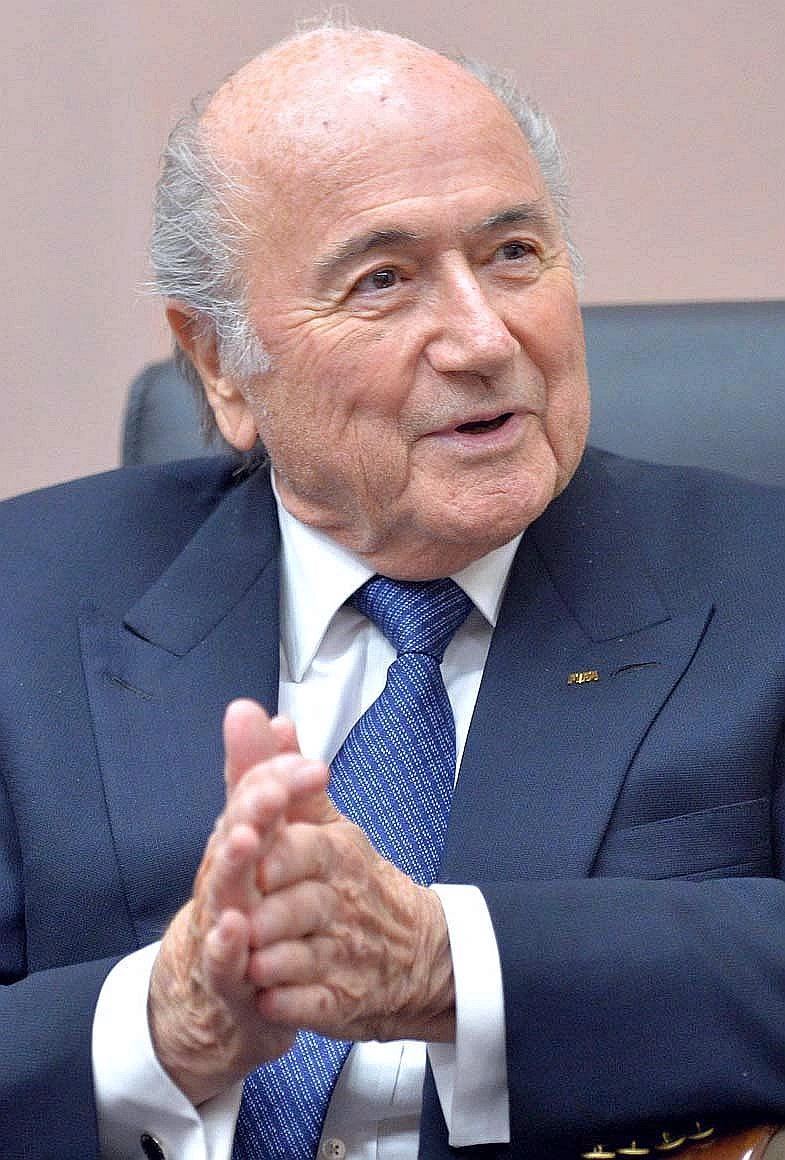
The same data reliability issues affect estimates for football executives, too. For instance, reporting on figures like Sepp Blatter's net worth or Joseph Blatter's net worth illustrates how even well-known football figures can have net worth estimates that vary wildly depending on methodology, and how access to actual financial disclosures (or lack thereof) shapes what can be substantiated.
A quick look at how Buffon's wealth stacks up
| Income Source | Estimated Scale | Confidence Level |
|---|
| Juventus wages (2001-2018, two stints) | Multi-million euros annually at peak | Moderate (partial public data) |
| PSG wages (2018-2019) | ~€5 million/year base + bonuses | High (reported by L'Équipe) |
| PSG tax clause payout | €250,000 | High (court-reported) |
| Parma wages (final years) | Significantly below peak | Low-moderate (not publicly disclosed) |
| PUMA ambassador/endorsement | Multi-million euros over career (estimated) | Low (no public deal terms) |
| Other brand endorsements | Unknown | Low (no public disclosure) |
| FIGC delegation head role | Compensated position (amount undisclosed) | Moderate (role confirmed, salary not public) |
| Investments and property | Unknown | Low (no public disclosure) |
How to use this site to check Buffon's latest numbers
This site maintains a dedicated profile for Gianluigi Buffon that is updated as new financial information becomes available, whether that's a newly reported contract figure, a confirmed endorsement, or a post-retirement role that carries public salary information. Here's how to get the most out of it.
- Go directly to the Buffon profile page and check the "last updated" date at the top. Net worth estimates for retired players don't change as frequently as those for active players, but they do change as post-career income develops.
- Look at the figure in context: is the number presented as a verified figure based on confirmed public data, or as an estimate range? This site distinguishes between the two, and you should treat them differently.
- Compare the components, not just the headline: the most useful part of a net worth profile is the breakdown of where the wealth came from. Career wages, endorsements, and post-retirement income each tell you something different about financial sustainability.
- Cross-reference with other sources for active changes: if a major new role, deal, or disclosed investment is reported in mainstream sports or financial media, bring that information back here to see if the profile has been updated to reflect it.
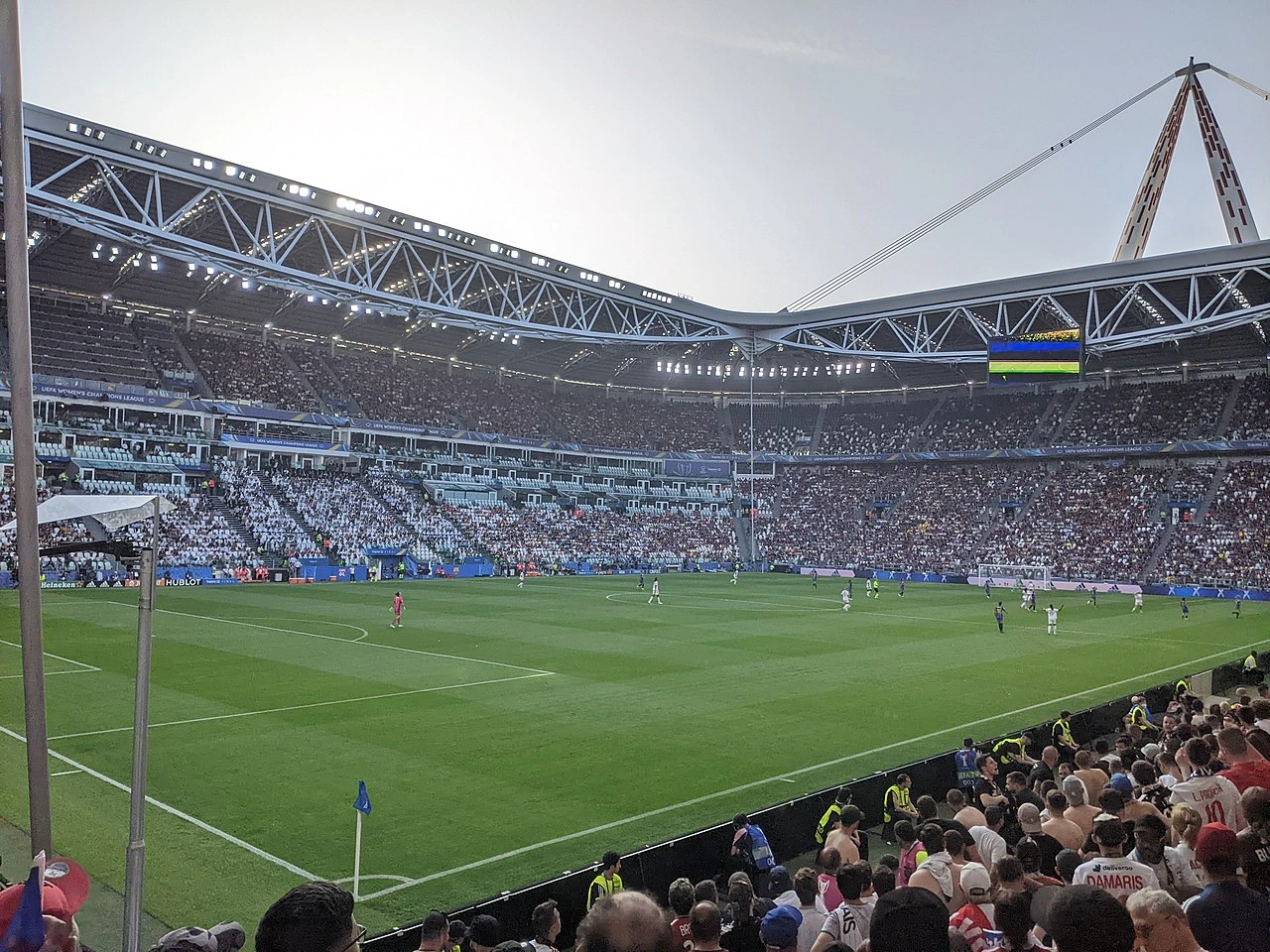
- Consider the broader context: wealth figures for individual players sit within a larger ecosystem. Understanding how clubs like Juventus generates its financial value helps explain why players who spent their careers at elite clubs were able to command the wages they did.
The bottom line is this: Gianluigi Buffon's net worth as of April 2026 sits most credibly in the $20 million to $30 million range, with the $20 million figure supported by multiple aggregators and the higher end plausible but not independently verifiable from public sources. His wealth was built primarily through 25 years of elite-level wages (with PSG and Juventus representing the highest-earning periods), supplemented by a career-long PUMA relationship and other commercial work. Post-retirement, his FIGC delegation role and ongoing ties to Parma provide continued income that should help maintain, if not grow, his net worth over time. If you're looking for a single number to anchor to, $20 million is the most defensible one right now, with the caveat that the real figure could be meaningfully higher depending on private investments and undisclosed income we simply can't verify from the outside.