
Fabrice Muamba's net worth is most defensibly estimated in the range of $2 million to $5 million as of May 2026. That figure reflects a relatively short but decently paid Premier League career cut short at age 24, a small number of documented endorsement and ambassador partnerships, and ongoing income from coaching and PFA-linked professional roles. No verified public disclosure exists, so any number you see online is an estimate, including this one. What matters is understanding what that range is actually built on.
Fabrice Muamba Net Worth: Estimate, Earnings, and Sources

Marcus Rendell
15 May 2026
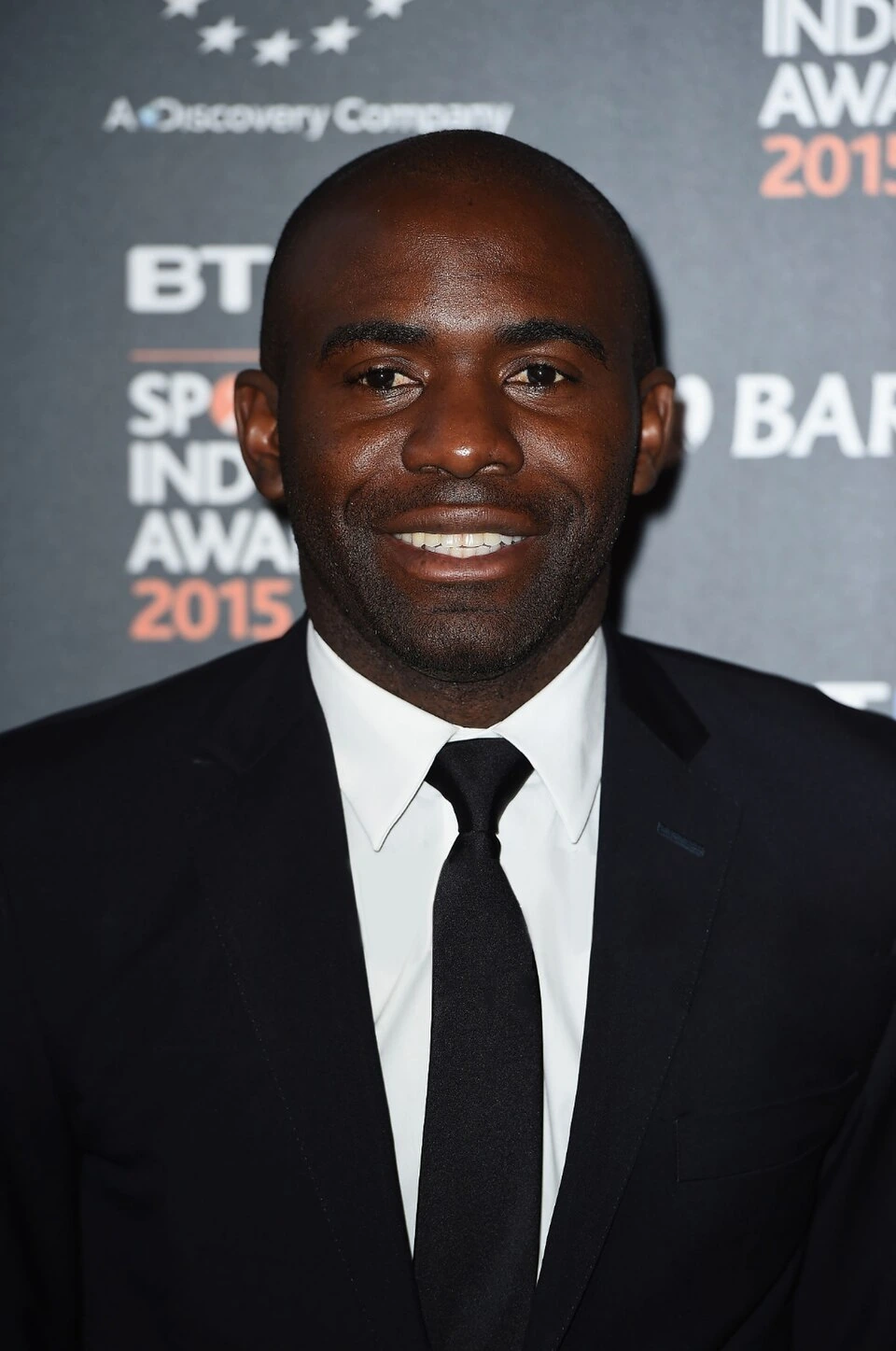
Who Fabrice Muamba is and why people search his net worth

Fabrice Muamba was born on 6 April 1988 in the DR Congo and came through Arsenal's academy before making his name as a combative central midfielder at Birmingham City and then Bolton Wanderers. His career was going well until 17 March 2012, when he suffered a cardiac arrest on the pitch during an FA Cup tie between Bolton and Tottenham. He was clinically dead for 78 minutes before medical staff, including a cardiologist who happened to be in the crowd, restarted his heart. He retired on medical advice in August 2012, aged 24.
That story is the main reason his name keeps appearing in searches. ITV News has also reported on Muamba’s slow but steady recovery after his March 2012 cardiac arrest, which helps explain why his later public profile stays so prominent. The 2012 collapse remains one of the most watched and discussed medical emergencies in football history, and every anniversary, cardiac health campaign, or related news story brings a fresh wave of curiosity about what happened to him and what his life looks like now. Net worth searches tend to spike alongside these moments, which is why it is worth having a reliable, well-reasoned estimate rather than just repeating whatever a low-quality aggregator website says.
The estimate: what his net worth is based on
The $2 million to $5 million range comes from adding up what can be reasonably inferred from public records: career wages at three clubs across roughly six senior seasons, a documented transfer fee that confirms his market value, modest but real endorsement activity, and a structured post-career income path through coaching and PFA employment. Nothing in this estimate includes speculation about investments, property, or private business activity, because no credible public reporting covers those areas for Muamba.
His career wages were solid but not elite. Playing most of his senior football in the Championship and the lower half of the Premier League, he would not have commanded the headline salaries of top-six players. His coaching and ambassador work produces real but modest ongoing income. Taken together, the low end of $2 million reflects conservative assumptions about wage levels; the upper end of $5 million accounts for several years of Premier League wages at mid-table rates, endorsement fees, and the compounding effect of more than a decade of post-retirement professional activity.
Career earnings: clubs, wages, and what the numbers tell us

Muamba's senior career ran through three clubs. He joined Birmingham City from Arsenal in July 2006 on a free transfer, spent two seasons there mostly in the Championship, then moved to Bolton Wanderers in July 2008 for a fee reported at just over £5 million with add-ons worth a further £750,000. That transfer fee is the clearest signal we have of his market value at the time. He signed a four-year contract with Bolton, playing in the Premier League until his cardiac arrest in March 2012 and officially retiring in August 2012.
Exact wage figures were never publicly disclosed, which is standard for players of his era and level. A reasonable benchmarking approach puts Championship wages in his Birmingham period at somewhere between £5,000 and £15,000 per week, and Premier League wages at Bolton in the range of £20,000 to £40,000 per week, consistent with what mid-table Premier League clubs were paying defensive midfielders in the late 2000s and early 2010s. Over roughly six seasons of senior football, gross career earnings likely fell somewhere between £5 million and £10 million before tax. After UK income tax (which was 50% on higher earnings from April 2010) and agent fees, the take-home figure is considerably lower than the gross, which is why net worth estimates are always lower than raw career earnings.
He did not accumulate the kind of appearance counts or bonus triggers that very long careers produce. His Bolton contract was for four years, and he played the majority of those years but his career ended before the contract fully matured in normal circumstances. There are no documented Champions League bonuses, no World Cup prize money (he did not represent a major footballing nation at senior level), and no evidence of significant image rights structures of the kind top Premier League players use to reduce tax liability.
Off-field income: endorsements, media, coaching, and ambassador roles
Muamba's post-retirement income is more varied than you might expect for a player who retired so young. The most clearly documented streams are:
- Media work: He appeared as part of ITV's coverage of the 2013 Africa Cup of Nations and co-commented on BT Sport's African World Cup qualification play-offs. He also presented content for PFA TV, including an episode filmed at Crystal Palace relating to The Prince's Trust Football Initiative in 2016.
- Endorsements and brand partnerships: In September 2014, he endorsed St John Ambulance's 'Celebrate Like a Hero' campaign, a charitable first-aid awareness initiative. He has also served as a brand ambassador for KLABU, a foundation that builds sports facilities in refugee camps, and was involved in a FIFA 21 charity kit partnership tied to that role.
- Coaching: He earned his UEFA B Licence at Manchester City and his A Licence at Stoke City. By 2018 he was coaching Rochdale's Under-16s. He later joined Burnley's academy coaching setup through the PFA/Premier League/EFL Professional Player to Coach Scheme (PPCS).
- PFA employment: He holds a documented role as a Player Services Executive at the PFA, which represents a stable, salaried professional position outside football coaching itself.
None of these income streams are likely to be high-earning individually. Charity-adjacent brand ambassador deals, co-commentary slots, and academy coaching positions are real income but at a level well below what active Premier League players earn. The significance is that they represent over a decade of consistent professional activity, and together they likely generate a combined income in the range of £50,000 to £150,000 per year in recent years, which is meaningful for wealth preservation but not wealth accumulation at scale.
Why net worth figures differ so much across websites

This is worth addressing directly because the numbers you will find are wildly inconsistent. One site (NetWorthList.org) claims Muamba's net worth is $100 million, which is not grounded in any credible analysis of his earnings. A site like CelebsMoney puts the range at $100,000 to $1 million, which is defensibly low but probably undersells his career earnings. Methodology-based net worth sites can be low-sourcing and template-like, which helps explain why figures such as $100,000 to $1 million appear without enough Muamba-specific sourcing blank" rel="noopener noreferrer">CelebsMoney puts the range at $100,000 to $1 million. These differences exist for a few reasons.
- Auto-generated content: Many net worth sites use template-driven or algorithm-based pages that pull from social media metrics, follower counts, or ad revenue estimates rather than actual financial data. These produce figures that bear no relationship to real wealth.
- No public disclosure: Muamba has never published financial accounts or disclosed his wealth publicly. That means every site is estimating, and without a disciplined methodology, estimates drift dramatically.
- Confusion between transfer fee and net worth: A £5 million transfer fee sounds like a large number, but it is money paid by one club to another, not income to the player. Sites that conflate the two will produce inflated figures.
- Gross vs net: Sites that try to model career earnings often use gross wage estimates without accounting for income tax, agent fees, or the cost of living during a playing career.
- Outdated data: Several sites appear to have been last updated years ago and do not reflect post-retirement income changes in either direction.
The safest approach is to treat any single net worth figure you see online as a starting point for your own reasoning, not a reliable answer. The best estimates combine career timeline data, documented transfer fees, realistic wage benchmarks for his clubs and era, and known post-retirement activity.
How to check the most reliable sources today
If you want to stress-test the estimate or get the most current picture, here is how to approach it practically.
- Check Transfermarkt for his career history and retirement date. It will not give you wages, but it gives you the accurate timeline of clubs, which lets you bound any earnings model correctly.
- Search BBC Sport, Sky Sports, and The Guardian for his name combined with 'coaching', 'PFA', or 'ambassador' to find the most recent documented professional activity. These outlets report on him periodically and provide the clearest picture of what he is actually doing.
- Look at the PFA's own website for any staff or programme listings that mention him. His Player Services Executive role is documented there and confirms ongoing employment.
- For endorsement or ambassador activity, search his name alongside specific brands (KLABU is the most recent documented one). Press releases and football media coverage of partnerships are usually more reliable than net worth aggregator sites.
- Ignore any net worth site that does not explain its methodology. If a page just states a number without referencing wages, contracts, or verifiable income, the figure is not worth using.
How his wealth compares to similar players
Context matters a lot here. Muamba's career was cut short at 24, so comparing him to players who had full 15-year careers is not the right frame. A better comparison is retired players of his generation who also moved into coaching or media work after shorter playing careers. In that group, estimated net worths in the $2 million to $8 million range are typical, reflecting solid but not exceptional playing earnings topped up by a decade of professional post-career activity. Florentin Pogba’s net worth is often discussed for similar reasons, but his income picture depends heavily on his own club wages, endorsements, and post-playing activity Florentin Pogba net worth.
Players like Mamadou Sakho, who also had a career affected by injury and club uncertainty, and Florent Malouda, who continued playing at lower levels after leaving the Premier League, give you a useful comparison bracket. Both had longer active careers than Muamba but similar off-field profiles in terms of media and ambassador work. Muamba's net worth estimate sits at the lower end of that peer group primarily because his playing career was the shortest. People also ask for Matthijs de Ligt net worth, but his earnings story is shaped by different career milestones and contract terms. What is notable is that his post-retirement profile has been unusually sustained for someone at his level, driven almost entirely by the public awareness that came from the 2012 cardiac arrest. If you are comparing other athlete wealth profiles like Lindelof net worth, use the same method of checking timeline, wages, and verified post-career income rather than relying on one low-quality aggregator figure. That visibility has opened doors to media, charity, and ambassador opportunities that most players who retire at 24 simply would not access.
| Player | Career length (approx.) | Estimated net worth range | Primary post-career income |
|---|---|---|---|
| Fabrice Muamba | ~6 senior seasons (retired age 24) | $2M – $5M | Coaching, PFA role, ambassador/media |
| Mamadou Sakho | ~15+ seasons (injury-affected later career) | $8M – $15M | Endorsements, media |
| Florent Malouda | ~18 seasons including lower-level clubs | $10M – $20M | Continued playing, media |
The comparison underlines that playing career length is the dominant factor in building football wealth. Muamba's sustained public profile and structured professional path after retirement have helped him preserve and modestly grow what he earned as a player, but a six-season career with one major club simply does not generate the wealth that a 15-year career does, regardless of what the player does afterwards.
FAQ
Why do websites give wildly different fabrice muamba net worth numbers?
Use the same guardrails as in the article: split the number into (1) playing wages, (2) taxes and agent fees, (3) documented post-career work. If a site gives a single all-in figure without showing how it maps to seasons, wage bands, and retirement income, treat it as entertainment, not evidence.
Does Muamba’s age 24 retirement make net worth estimates unreliable?
Yes, his early retirement makes the usual approach misleading. Wealth estimates online often assume long careers and large bonus structures, but for Muamba you should weight less on appearances and more on a short Premier League window plus a decade of coaching or related roles.
Could fabrice muamba net worth be much higher due to investments or property?
Net worth can rise even when someone earns modest income, but only if they avoid major losses and keep spending controlled. In his case, the article assumes no credible public reporting on high-risk investing, property windfalls, or private business profits, so “unknown investment growth” should not be used to justify large upward jumps.
How can I tell whether a newer net worth claim reflects real income changes or guesswork?
If he has ongoing roles, coaching and PFA-linked work typically pay less than top-tier media deals. When you see estimates that jump sharply upward year to year, the reason is usually made-up assumptions about sponsorship size or undisclosed business income.
What quick math check can I do to verify a fabrice muamba net worth estimate?
A helpful stress test is a lower-bound sanity check: take mid-range wage bands for his Championship and Premier League years, subtract approximate tax impact, then see what’s left for savings. If an estimate claims he accumulated tens of millions without a long career, it conflicts with that math.
Do I need to worry about taxes, agent fees, and currency conversion when comparing net worth figures?
Be careful with currency conversions and “net worth vs earnings.” Some sites quote figures in one currency, mix gross earnings with net assets, and ignore agent fees. Your comparison should use a consistent basis, like net take-home ranges, before concluding the net worth.
What types of post-retirement income should count most in a muamba wealth estimate?
Look for post-career income that is evidence-based, like coaching assignments, public speaking, media work, and charity or ambassador roles that are plausibly paid. If a claim relies on vague statements like “many sponsorships” without any specific timeframe or role type, it should be discounted.
Did the 2012 cardiac arrest automatically make him wealthy through endorsements?
No, and this is a common misconception. Cardiac awareness visibility can increase opportunities, but it does not automatically translate into large guaranteed wealth. The article’s approach reflects that any brand and media work is likely modest compared with star-player endorsement deals.
What’s the best way to get the most current estimate instead of trusting the latest number online?
If you want the most current picture, don’t just update the headline number. Update the timeline of his coaching and media activity, then reapply the wage-plus-post-career framework. A current “net worth” claim with no updated role details is usually just a reshuffle of old assumptions.
Next Articles

Lindelof Net Worth 2026: Salary, Earnings, and Wealth Estimate
Victor Lindelöf net worth estimate 2026 with sourced salary, bonuses, endorsements, and how results differ by method and

Bologna FC Net Worth: Club Value, Debt, Revenue Explained
Bologna FC net worth explained: club value, revenue, debt, and how to verify official figures vs estimates.
Sevilla FC Net Worth: How to Estimate Club Valuation
Learn how to estimate Sevilla FC valuation and financial position using source-based revenue, costs, debt, assets, and c