First: which Roberto Carlos are we talking about?
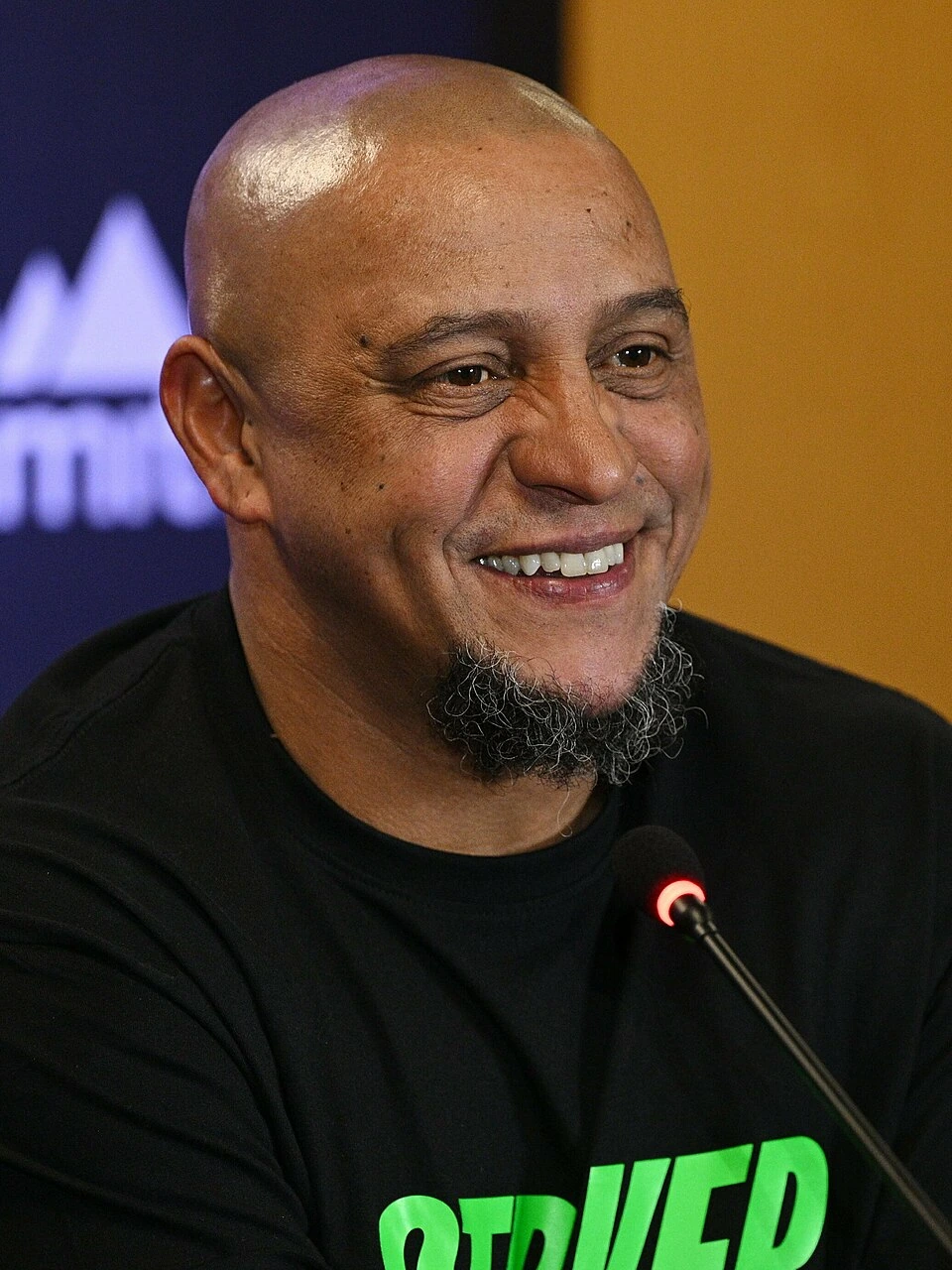
There are two very famous Brazilians named Roberto Carlos, and confusing them is easy. The footballer is Roberto Carlos da Silva Rocha, born April 10, 1973, in Garça, São Paulo. He is the left back who played for Real Madrid for over a decade and is widely considered one of the greatest defenders in football history. The other Roberto Carlos is Roberto Carlos Braga, a singer-songwriter born April 19, 1941, in Cachoeiro de Itapemirim, Espírito Santo, one of Brazil's most iconic musical figures. If you landed here looking for the singer's finances, you will want to check out the net worth of Kaka singer article for a comparison point on how we cover entertainment figures. Everything else in this article is about the footballer.
The headline number: what is Roberto Carlos worth in 2026?

The most defensible estimate for Roberto Carlos the footballer's net worth as of April 2026 is approximately $50 million to $60 million. That range accounts for his career earnings across elite European and late-career clubs, substantial endorsement income, and post-retirement ambassador and media roles, minus taxes and typical wealth deductions. You will see figures ranging from $25 million all the way up to $210 million across different sites. That spread exists because of methodological differences, not new information, and the full explanation is below. The $50 million to $60 million range reflects what can reasonably be reconstructed from reported salary data, known contract values, and verified endorsement relationships.
How his career earnings built up over time
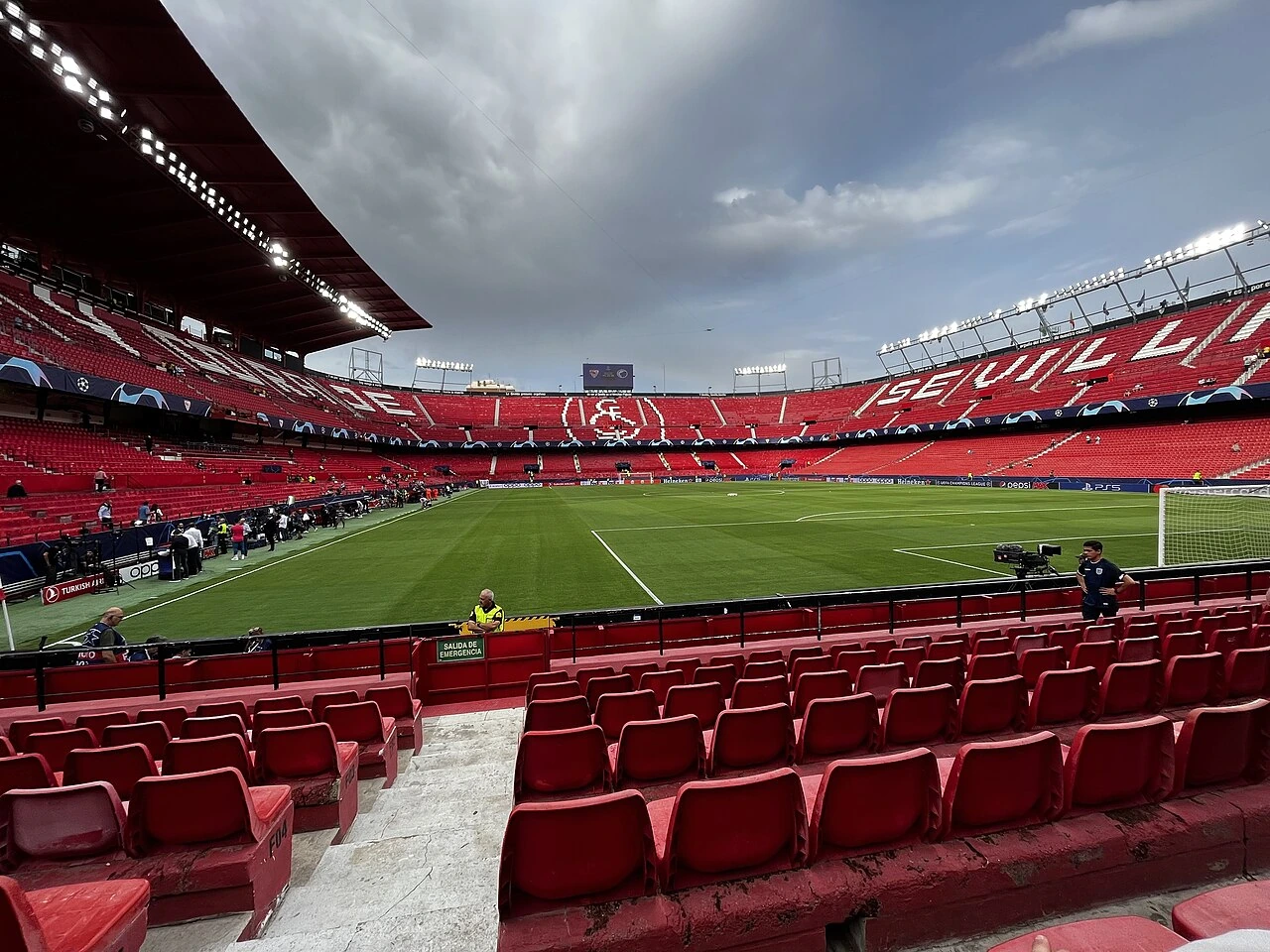
Roberto Carlos spent the most financially significant years of his career at Real Madrid, joining in 1996 and staying until 2007. That is eleven years at one of the richest clubs in the world. During his time there, he was reported to be earning around 800 million pesetas per year, which converts to roughly $5 million to $6 million annually at late-1990s exchange rates. That figure was actually a point of frustration for him at the time, as some teammates were on contracts worth 1,000 million pesetas. Over eleven seasons at Real Madrid, even conservative estimates put his salary earnings from that single club somewhere between $40 million and $55 million in gross terms before Spanish taxes.
After leaving Real Madrid in 2007, he signed a two-year contract (with a third year optional) with Fenerbahçe in Turkey. Turkish press reports at the time indicated the deal was worth around €4 million per year in salary, with performance bonuses that could add another €1 million annually. That stint ran through 2008 to 2009, adding roughly €8 million to €10 million to his gross earnings. He then had a brief return to Brazil with Corinthians before his most financially notable late-career move.
In February 2011, Roberto Carlos signed with Anzhi Makhachkala in Russia on a two-and-a-half-year deal. Corinthians reported at the time that the contract was worth $9 million per year, and other sources pegged the total Anzhi contract at approximately €10 million. This was part of Anzhi's high-profile spending spree on global names. He announced his retirement in early 2012, confirming he would step away at the end of that year and continue in a behind-the-scenes role with the club. His active playing career effectively ended around 2012.
| Club / Period | Reported Annual Earnings | Duration | Estimated Gross Total |
|---|
| Real Madrid (1996–2007) | ~$5–6M/year (800M pesetas) | 11 years | ~$40–55M gross |
| Fenerbahçe (2007–2008) | ~€4M/year + €1M bonuses | ~2 years | ~€8–10M gross |
| Corinthians (2010–2011) | Not publicly confirmed | Short stint | Undisclosed |
| Anzhi Makhachkala (2011–2012) | ~$9M/year (reported) | ~1.5 years | ~$13–14M gross |
It is also worth noting his earlier career. Before joining Real Madrid, he played for União São João, Palmeiras, and Inter Milan. His salary at those clubs was significantly lower than his Real Madrid peak, particularly at Palmeiras in the early 1990s, so those years contribute modestly to the total career earnings picture.
Endorsements, ambassador roles, and other income streams

Nike was Roberto Carlos's most visible brand partner during his playing career. He starred in the iconic 1998 Nike commercial filmed at an airport ahead of the World Cup, featuring the Brazilian national team, and was also part of blank" rel="noopener noreferrer">Nike's 'Secret Tournament' campaign around the 2002 World Cup. These campaigns were globally distributed and represented meaningful endorsement income, though the exact contract values have never been publicly disclosed. What we do know is that long-term deals with a brand like Nike, particularly for a player of his profile during the sport's commercial boom in the late 1990s and 2000s, typically run into seven or eight figures over their full term.
Post-retirement, Roberto Carlos has stayed active in the ambassador economy. In March 2018, AirAsia appointed him as a global brand ambassador, a role that has been featured in multiple marketing campaigns for the airline. He also signed a multimillion-dollar ambassador contract with BetWinner, which was subsequently renewed for another two years in January 2023, taking it well past the Qatar World Cup. In 2019, he became a global ambassador for Football for Friendship, a children's social programme, which adds to his post-playing public profile even if the financial terms there are not reported. These post-career ambassador roles are the kind of income stream that is easy to underestimate but can generate several hundred thousand to a few million dollars annually for a name of his stature.
Image rights deserve a mention here. During his Real Madrid years, players of his caliber typically held their image rights through personal companies, allowing a portion of their commercial income to be taxed at lower corporate rates. This structure, common among elite players of that era, means a larger share of endorsement income was retained compared to pure salary, which was subject to high Spanish income tax rates. It is a meaningful but unquantifiable factor in any net worth estimate.
How net worth is actually calculated for a retired player
Retired players like Roberto Carlos do not file public financial disclosures, so every net worth figure you see is an estimate. The methodology used here and on reputable sports finance sites follows a consistent framework: start with reported career salaries from credible sports journalism sources, add in known or estimated endorsement income, subtract a realistic tax burden based on the jurisdictions where income was earned (Spain, Turkey, Russia in his case), and apply general assumptions about lifestyle spending, investment returns, and wealth management. The result is a range, not a precise number.
Currency conversion is a real complication with Roberto Carlos's career, since his earnings were denominated in Spanish pesetas (then euros), Turkish lira, Russian rubles, and US dollars at different points. Historical exchange rates matter: the peseta figures from the late 1990s need to be converted accurately rather than just plugged in at modern rates. Similarly, tax rates in Spain during the late 1990s and 2000s were substantially higher than many people assume, often exceeding 40% at top-earner levels. A $50 million gross career salary can realistically leave $25 to $30 million after tax before any investment growth or decline. Add verified endorsement income and post-career earnings, and the $50 to $60 million net worth range for 2026 becomes the most reasonable defensible figure.
Why different sites give such wildly different numbers
The gap between the lowest figure you will find ($25 to $30 million on some aggregator sites) and the highest ($210 million on others) is entirely a methodology problem, not a factual disagreement. Sites that report $210 million are typically taking a raw gross career earnings figure, adding inflated endorsement estimates, and presenting the sum as 'net worth' without accounting for taxes, spending, or time value of money. Sites that land on $25 to $30 million may be too conservative, relying only on verifiable public salary data and ignoring compound investment returns on wealth accumulated over a twenty-year elite career.
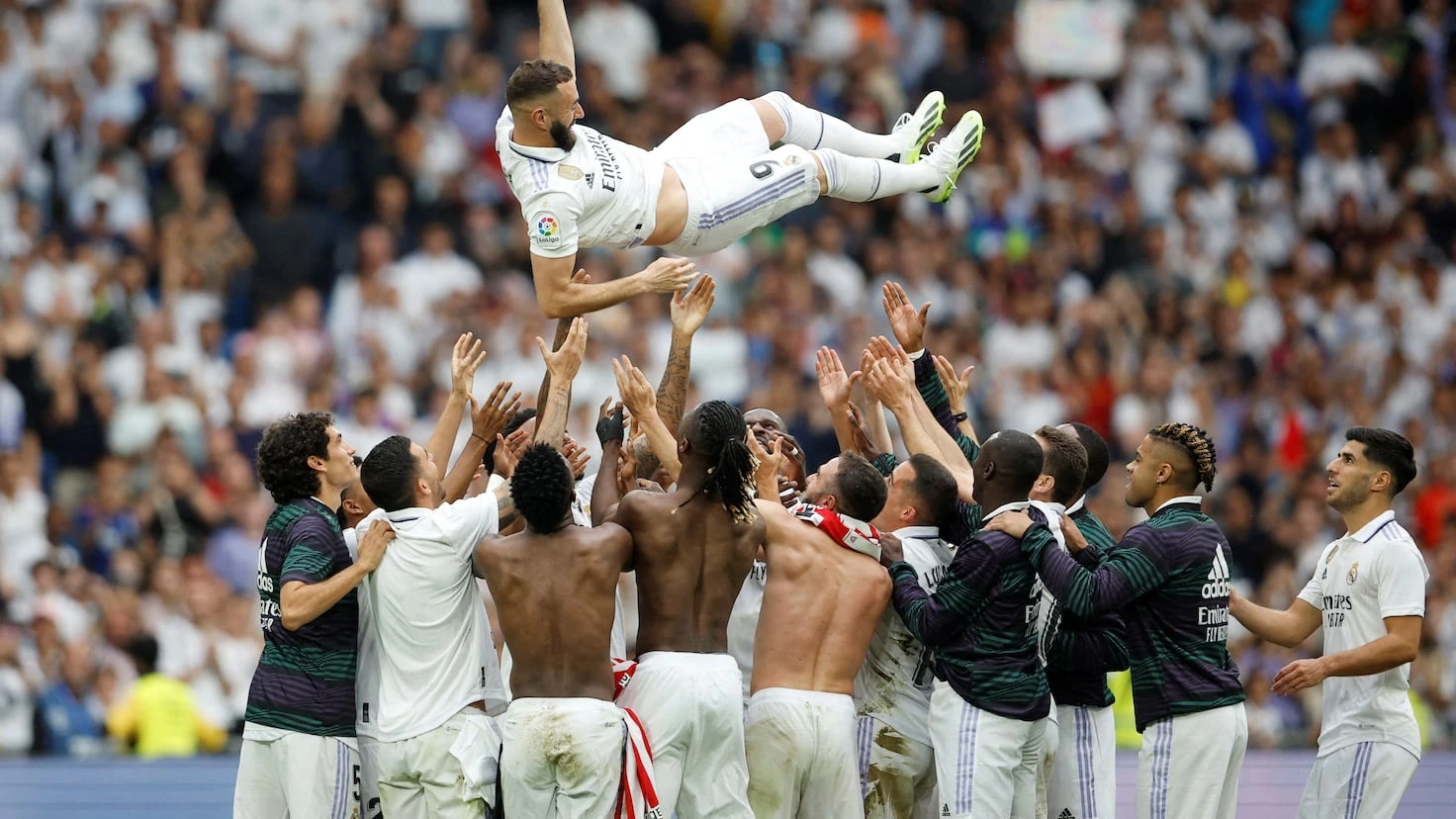
Another factor is that many sites simply copy each other. A figure published in 2019 gets cited in 2021, then cited again in 2024, without any update for post-retirement earnings or investment changes. This is why you will sometimes see the exact same number on ten different pages. For context on how this plays out with other players, the Karim Benzema net worth profile on this site shows how an active player's number changes meaningfully year to year, while estimates for retired players tend to fossilize unless there is a significant financial event.
To verify a net worth figure quickly, look for three things: whether the site distinguishes between gross career earnings and actual net worth, whether it accounts for taxes and deductions, and whether the figure has been updated within the past 12 to 18 months. A site that states a $200 million figure without any explanation of how it was derived should be treated with skepticism. You can cross-reference against profiles for comparable players from the same era: for example, Ricardo Quaresma's net worth profile provides useful context on what a slightly lower-profile Portuguese contemporary from overlapping years looks like in financial terms.
Comparing the estimates you will find online

| Source Type | Reported Figure | Accounts for Taxes? | Reliability |
|---|
| CreativeRoots (aggregator) | $25–30 million | Unclear | Low-moderate |
| CelebsMoney (aggregator) | $52 million | Unclear | Low-moderate |
| JournalismTime (aggregator) | $210 million | No | Low |
| This site's estimate (methodology-based) | $50–60 million | Yes | Moderate-high |
Where to find the most current estimate and what to check next
For Roberto Carlos specifically, the most useful thing you can do is look for any recent reporting on his ambassador activities or business ventures, since those are the income streams most likely to shift his net worth in 2025 and 2026. His BetWinner renewal in January 2023 is a good example: that kind of multi-year contract extension is meaningful income that many static net worth pages have not yet factored in. Check sports business outlets and the official pages of brands he represents for any new partnerships. If a major new deal is announced, recalibrate upward accordingly.
For broader context on how modern football wealth compares to players of Roberto Carlos's generation, the Casemiro net worth article is worth reading alongside this one. Casemiro is the clearest generational successor to Roberto Carlos at Real Madrid and Brazil, and his earnings structure shows how dramatically player salaries and sponsorship markets have grown since the late 1990s. The comparison helps put Roberto Carlos's career earnings in the right historical and market context.
The bottom line is this: Roberto Carlos the footballer has an estimated net worth of $50 million to $60 million as of April 2026. That figure is built from eleven years of top-level Real Madrid wages, two documented post-Real Madrid contracts worth roughly $20 to $25 million in gross terms, a long Nike endorsement relationship, and a sustained post-retirement ambassador income that continues today. Any site quoting $210 million is not using a credible methodology. Any site quoting under $30 million is probably ignoring endorsement income and investment returns. The middle ground is the defensible answer.